 Picking your fruit…Picking your fruit…
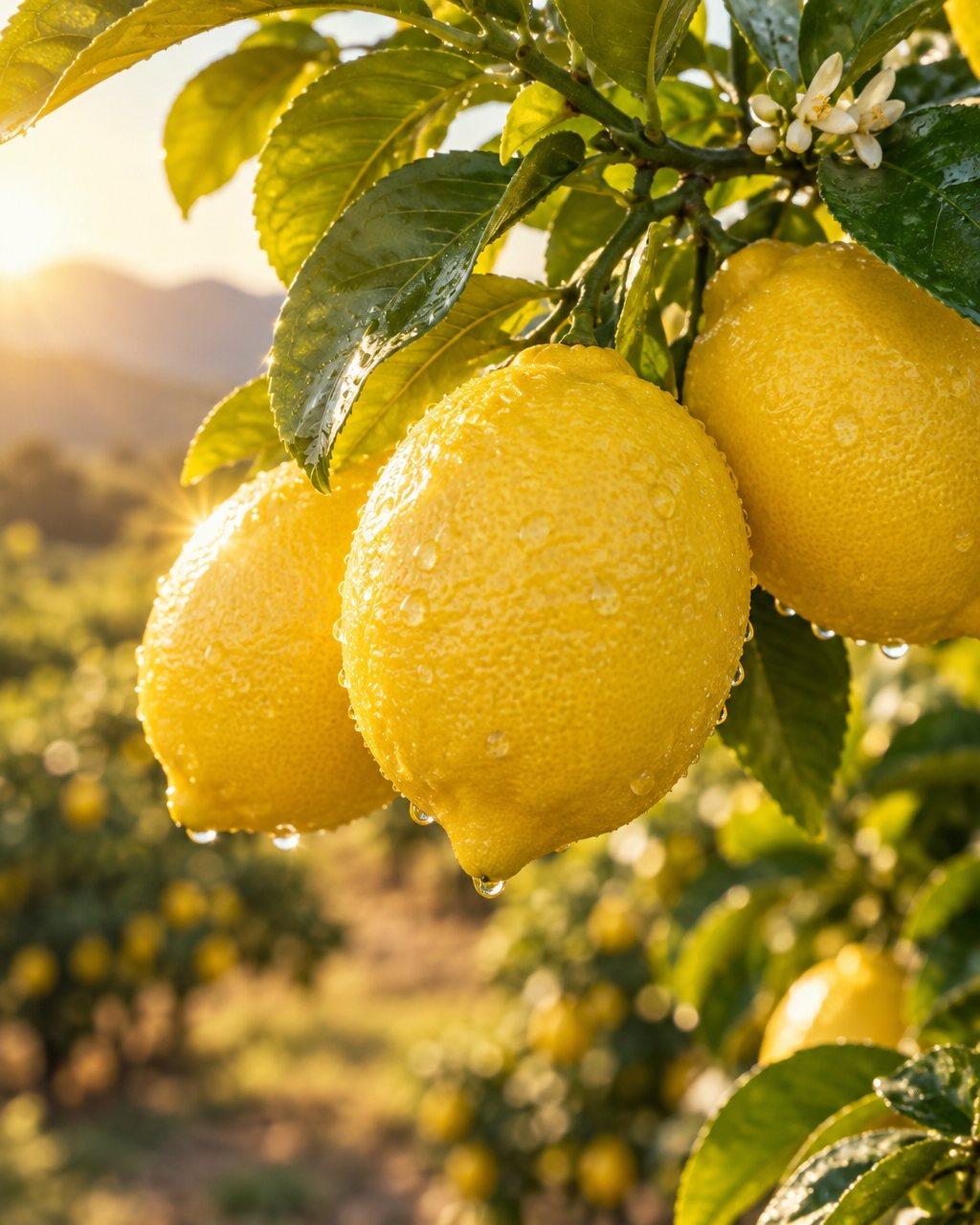
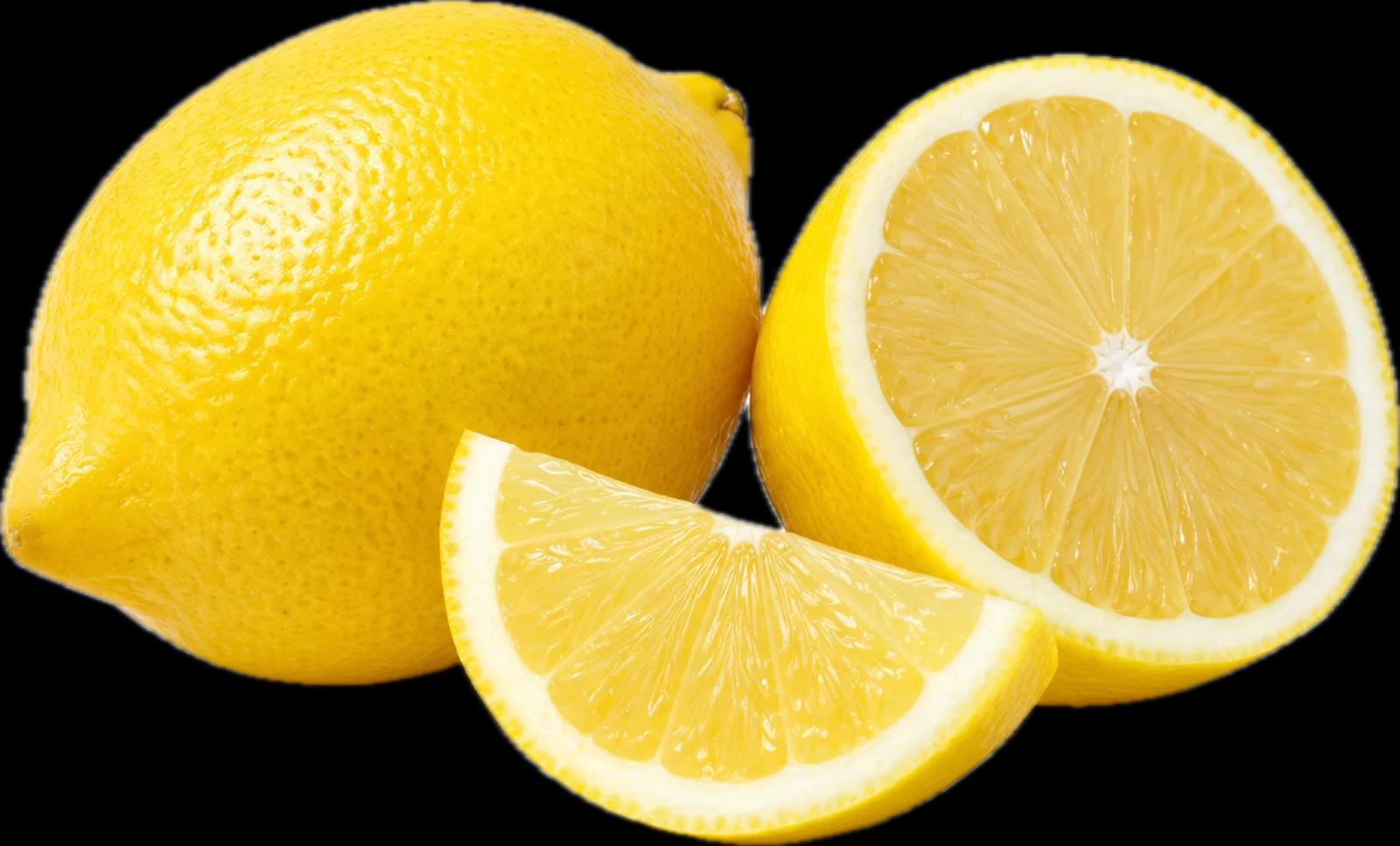
Bright, fragrant and properly sour. Lemons have the longest season of all our fruit.
2 varieties, picked from week 13 (Apr) to week 41 (Oct).
Swipe the calendar sideways to see every week.
Lemons flower more than once a year, so the trees carry fruit for a long stretch, from early autumn right through to spring.
We pick for colour and juice: a thin, glossy rind full of fragrant oil, and flesh that gives plenty of sharp, clean juice.
Fragrant, thin-skinned lemons with a sharp, clean acidity.
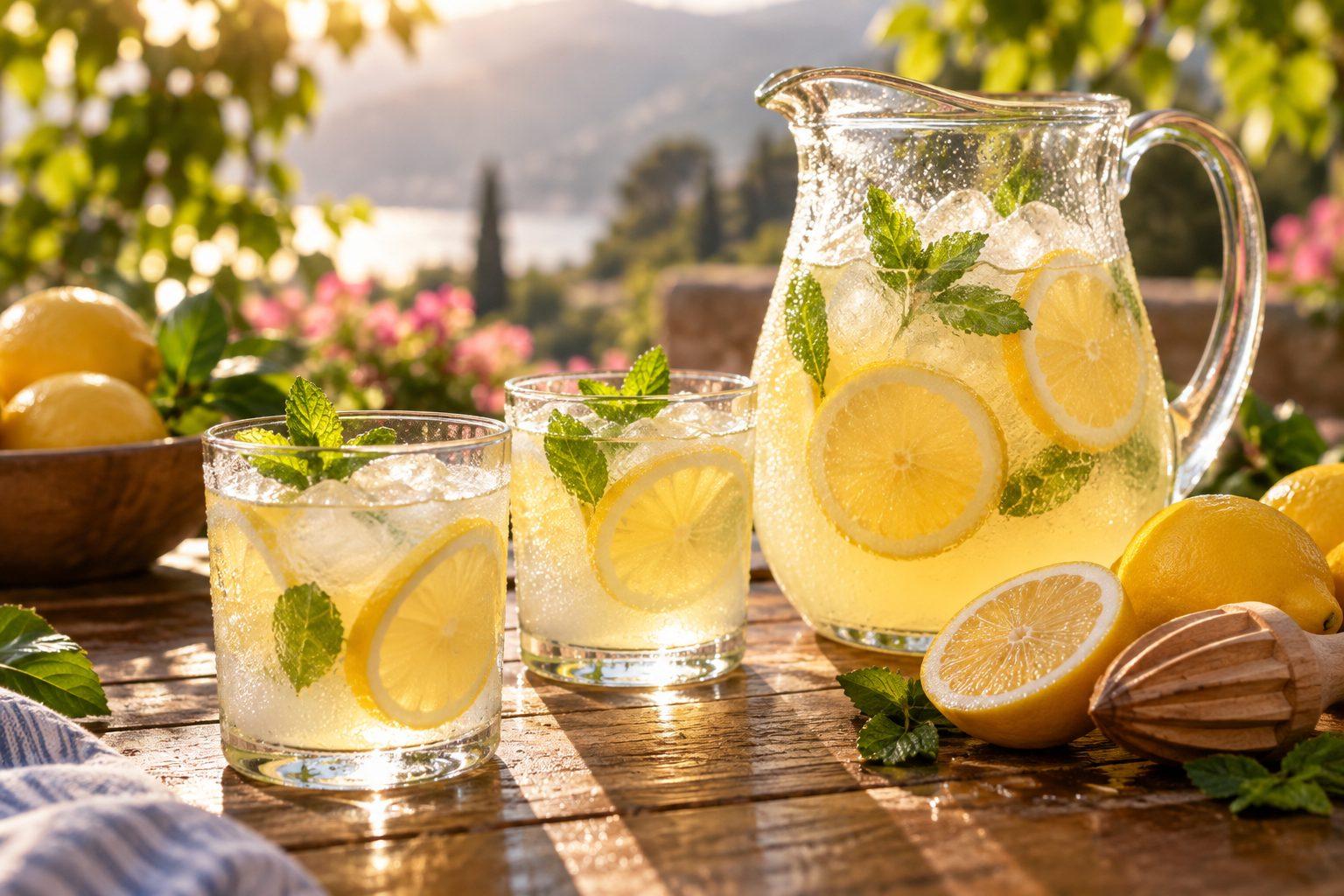
Juice, a little sugar, cold water, ice and mint: the simplest way to use a bag of lemons.

Tuck halved lemons around a roast chicken or fish; the juice and charred rind season everything in the pan.

The thin, fragrant rind is full of oil. Grate it over tarts, cakes and pasta for a burst of flavour.
Figures for one lemon, about 58 g of fresh fruit. Low in fat and full of vitamin C.
Source: USDA FoodData Central. Daily needs are the US FDA’s Daily Values for adults; fresh fruit varies, so treat these as a guide.
Choose glossy, firm lemons that feel heavy for their size.
Roll a lemon on the counter before cutting it to get more juice out.
Kept in the fridge, lemons last up to a month.
Lemons most likely began in the foothills of the Himalayas, somewhere between northeast India, northern Myanmar and southern China. Genetic studies point to a cross between bitter orange and citron.
Lemons reached southern Italy around the first century AD, where wealthy Romans grew them as prized garden trees. Arab traders later spread them right around the Mediterranean.
On his second voyage Christopher Columbus carried lemon seeds to Hispaniola, bringing the fruit to the Americas.
Naval surgeon James Lind gave citrus to sailors with scurvy in one of the first controlled clinical trials. Long before anyone had heard of vitamin C, lemons were keeping crews alive at sea.
Soft citrus, butternut and watermelon, all grown and packed on the estate.