 Picking your fruit…Picking your fruit…
Our fruit · Oranges
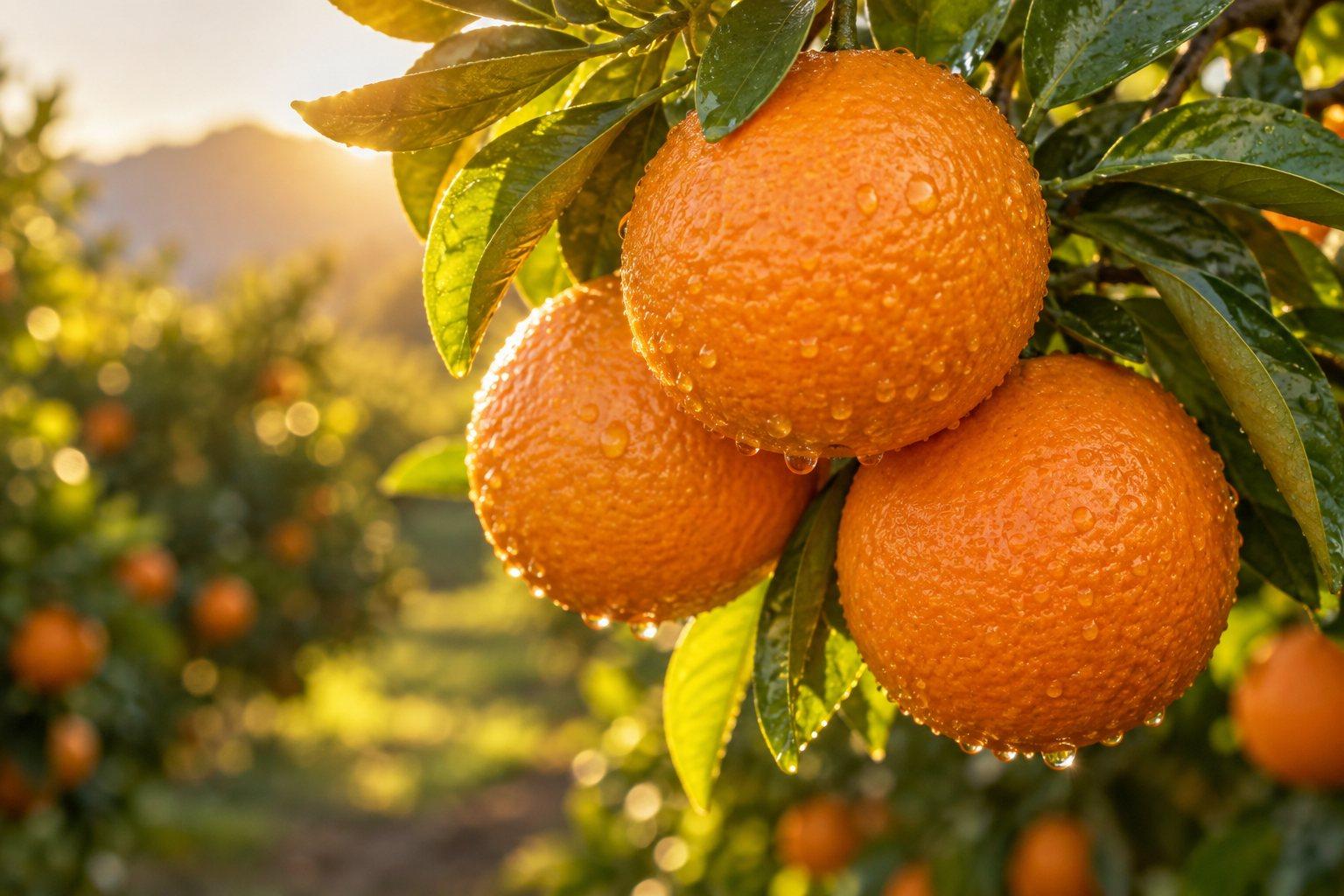
The orange most people picture: seedless, easy to peel and sweet enough to eat straight from the tree.
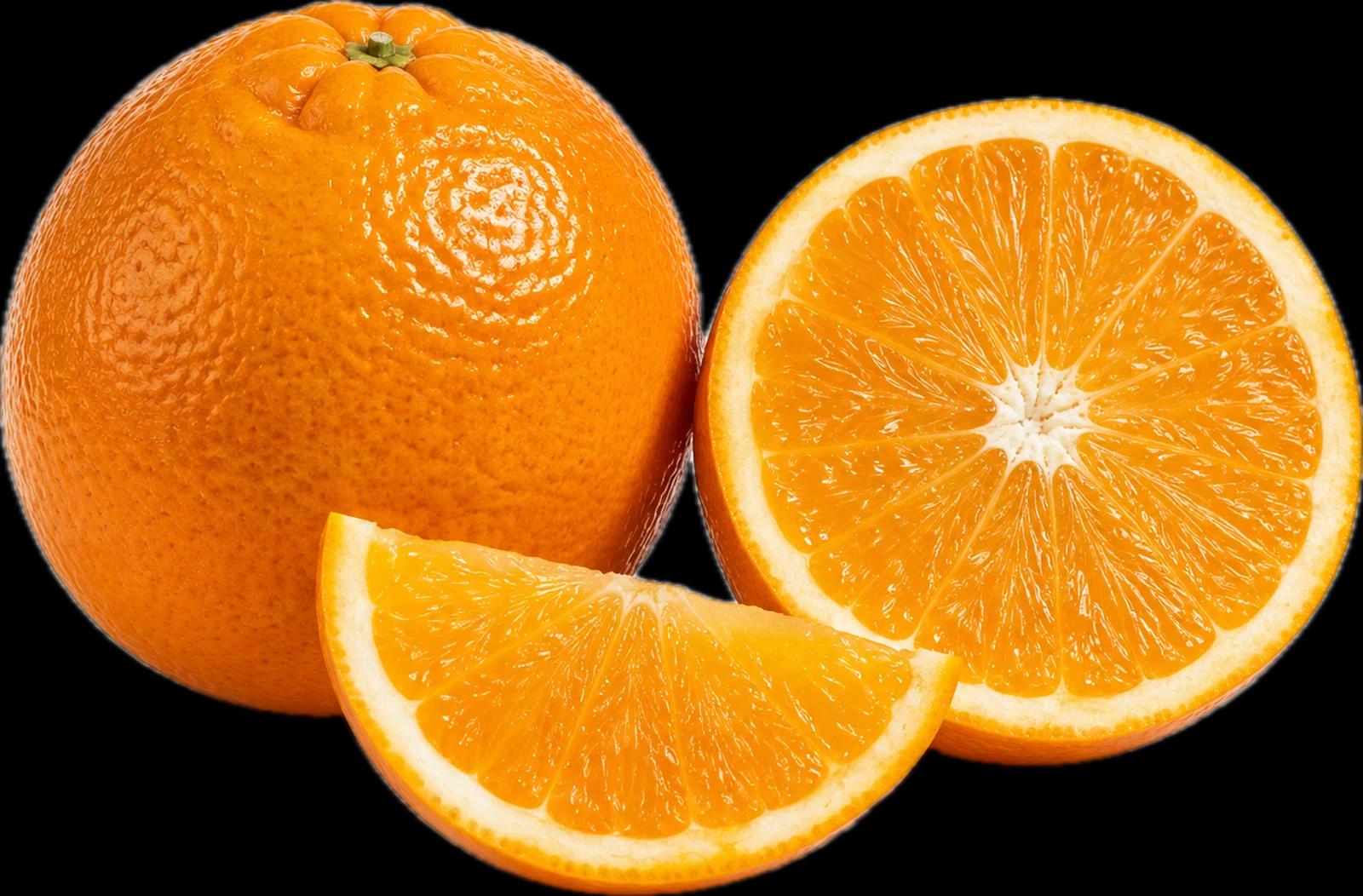
9 varieties, picked from week 20 (May) to week 39 (Sep).
Swipe the calendar sideways to see every week.
Navels get their name from the small second fruit that grows at the blossom end, which looks like a belly button. They are the first oranges of the season, coming off the trees as autumn cools the valley.
Cool nights in the Sundays River Valley are what colour the rind a deep orange and lift the sugars, so the fruit eats sweet with a clean, fresh acidity.
Seedless, easy to peel and bright with juice. The classic eating orange.
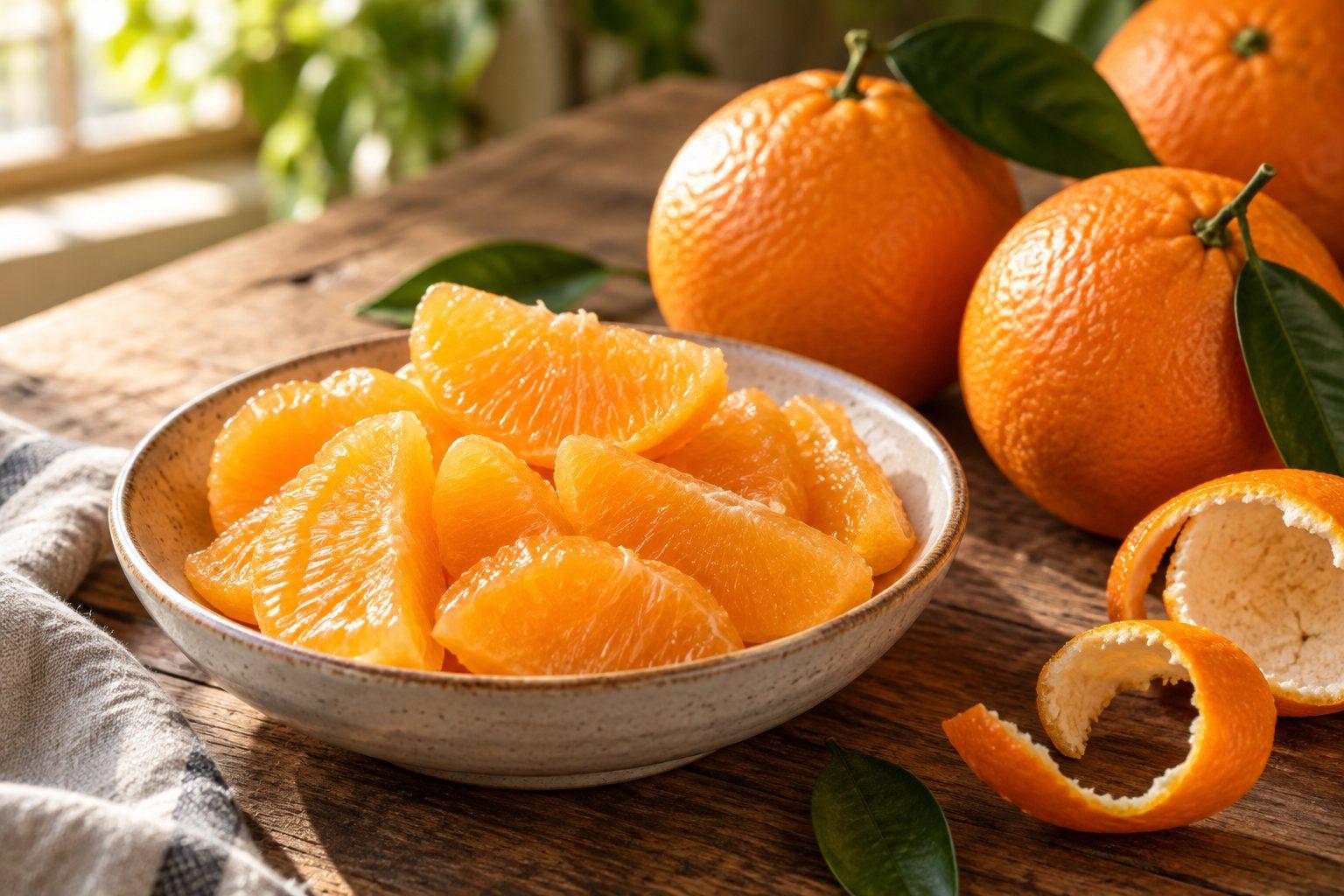
Navels peel cleanly and have no pips, so they break straight into segments for the whole table.
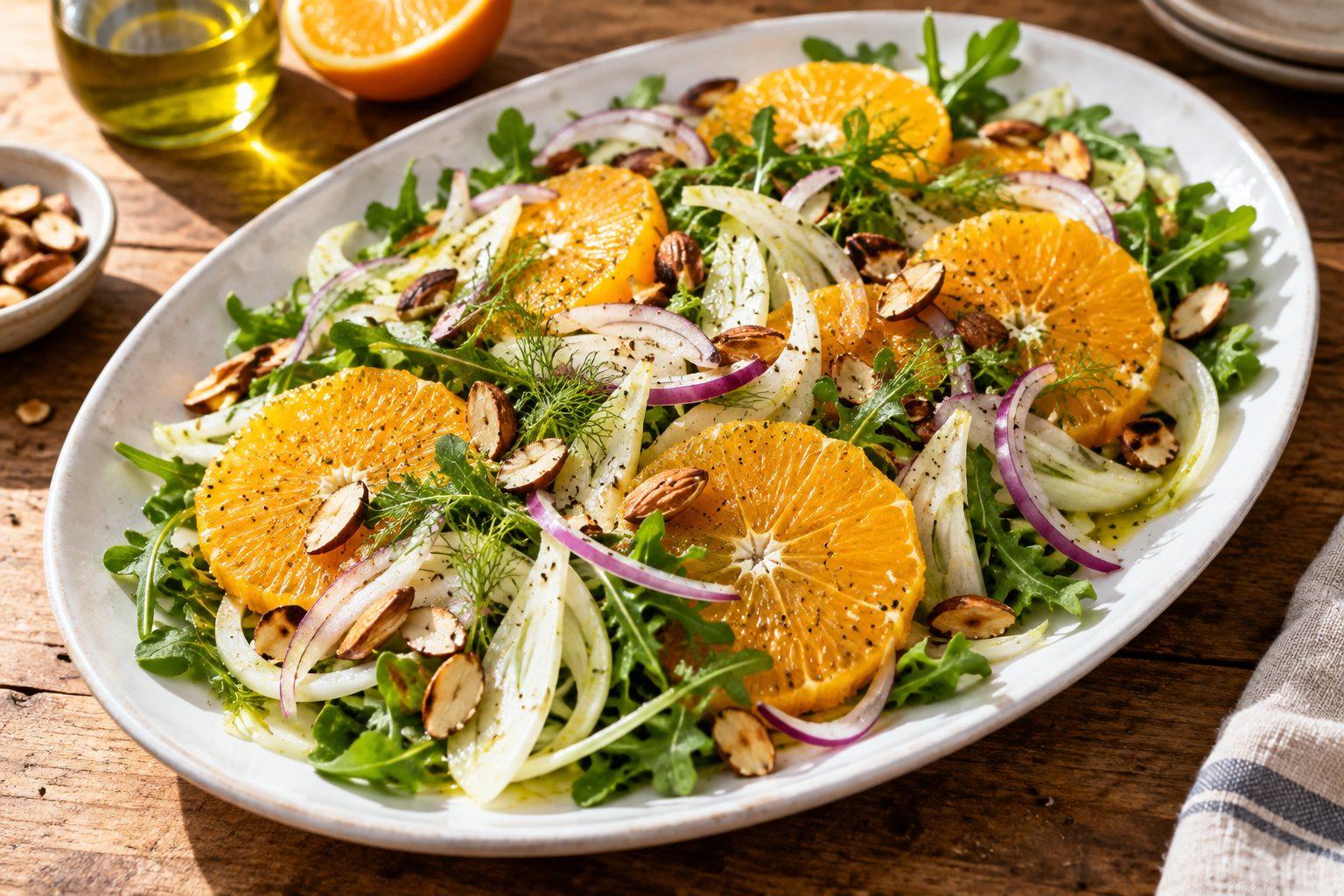
Slice into wheels with shaved fennel, rocket and toasted almonds for a bright, sweet side dish.
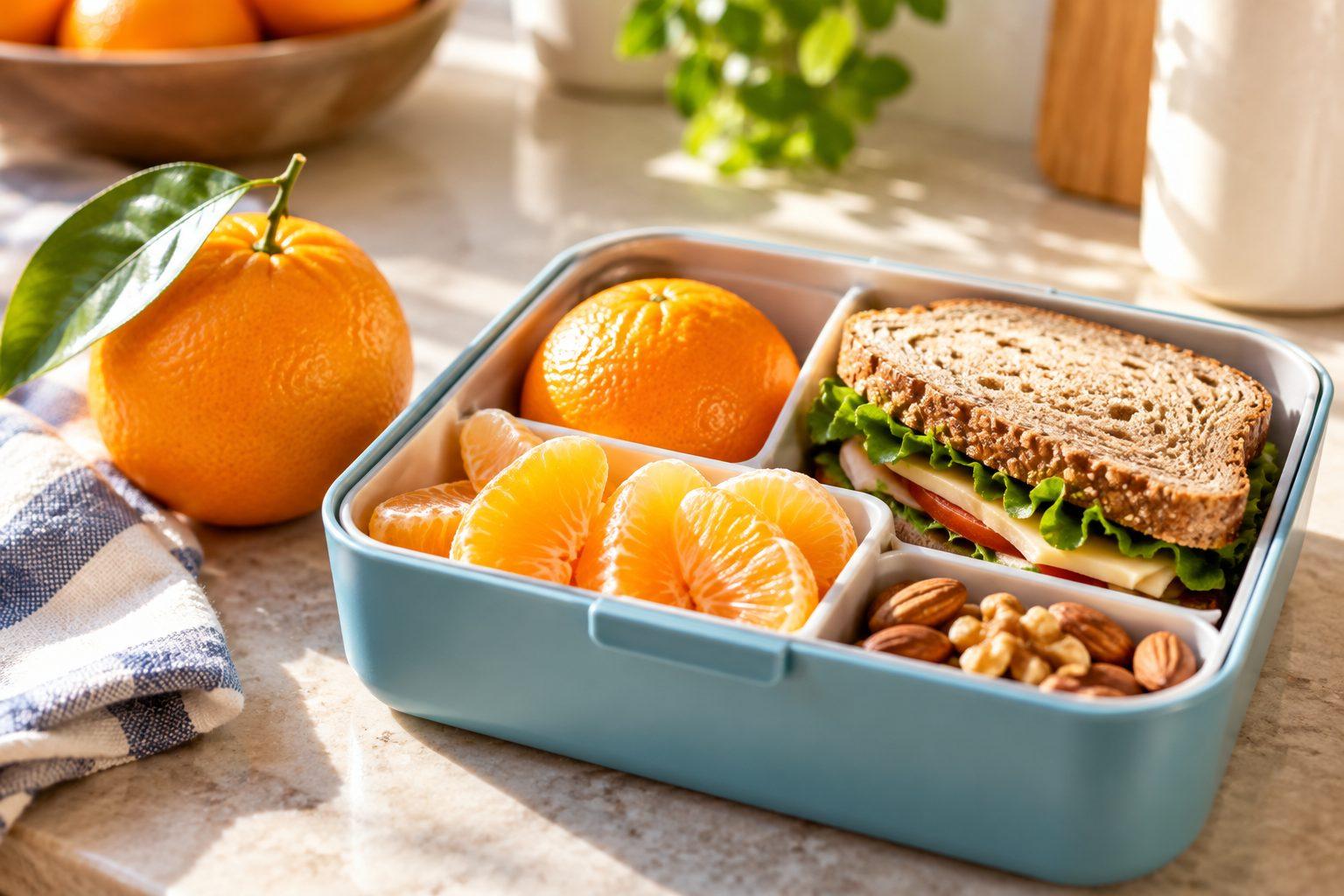
No pips and an easy peel make navels the classic lunchbox fruit. Squeeze them only just before drinking.
Figures for one medium navel, about 140 g of fresh fruit. Low in fat and full of vitamin C.
Source: USDA FoodData Central. Daily needs are the US FDA’s Daily Values for adults; fresh fruit varies, so treat these as a guide.
Pick fruit that feels heavy for its size: that means juice.
Keeps for about a week at room temperature, or two to three weeks in the fridge.
Navel juice turns bitter if it stands, so squeeze it just before you drink it.
In a monastery orchard in Bahia, Brazil, one sweet orange tree put out a branch of seedless fruit, each with a small second fruit tucked into its base. That branch gave us the navel.
Young trees grown from Brazilian cuttings were sent to Eliza Tibbets in Riverside, California. Their fruit, sold as the Washington navel, helped launch California’s orange industry, and one of those first trees still grows in Riverside.
Navels have no seeds, so every tree is grown from a cutting grafted onto rootstock. Each navel orange in the world is, in a sense, a clone of that first branch in Brazil.
Grapefruit, lemons and soft citrus, all grown and packed on the estate.